At Hope House Guthrie, rebuilding a life often begins with learning new skills. Hope House Guthrie is a nonprofit in Guthrie, Oklahoma, that provides shelter, meals, and clothing to individuals experiencing homelessness and hardship. The organization also connects people to resources that support recovery, employment, and long-term stability. For many people entering recovery and life transformation programs, rebuilding their lives means gaining work experience, reconnecting with their community, and learning ways to navigate systems that are increasingly online. However, for those with limited computer experience, basic digital tasks can be quite challenging.
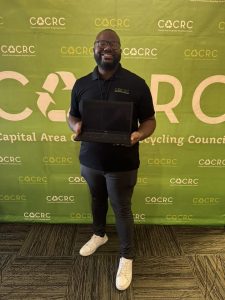
At Hope House, staff witness these challenges firsthand. Many residents come with experience using smartphones but little familiarity with desktop or laptop computers, or workplace software. Tasks like managing files, completing online training modules, or navigating telehealth systems can feel impossible. Understanding how essential these skills have become for employment and independence, Hope House integrated digital skills workshops and computer access into its Life Transformation Program. Digitunity recently spoke with Kenny, a participant in the program, about how computer access and digital skills training have made a positive impact on his journey.
Learning New Tools in the Kitchen
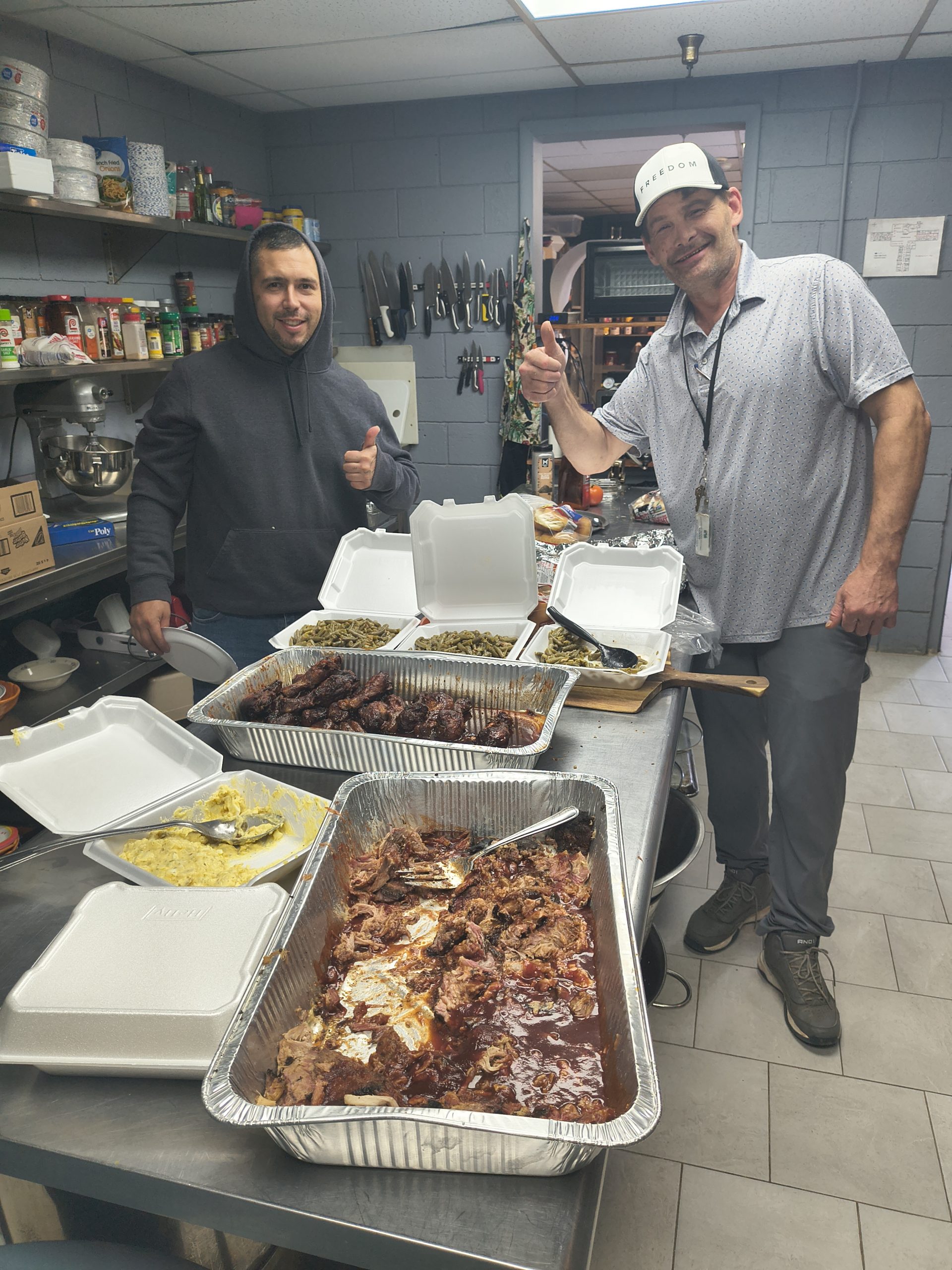
Kenny came to Hope House ready to rebuild his life. With nearly 18 years of experience working in kitchens, it didn’t take long for him to step in and help. By his third day in the program, he was already working in the kitchen, taking on new responsibilities. But when it came to computers, like many, he had limited experience. Before joining the digital skills workshops, Kenny mostly accessed the internet through his phone and occasionally watched videos online. Using a computer for daily tasks was something he had never done before.
That all began to change when Hope House introduced digital skills training and computer access through the 3 Southern States Connected Communities Program. With hands-on instruction and practice, Kenny began learning how to navigate desktop computers and use spreadsheets. It didn’t take long for Kenny to see how he could use these skills in the kitchen. Now, Kenny uses spreadsheets to organize inventory, track supplies, and create digital menus that help keep kitchen operations organized. The technology lets him bring together his years of kitchen experience with digital tools that help keep his work running smoothly.
From Learning to Leading
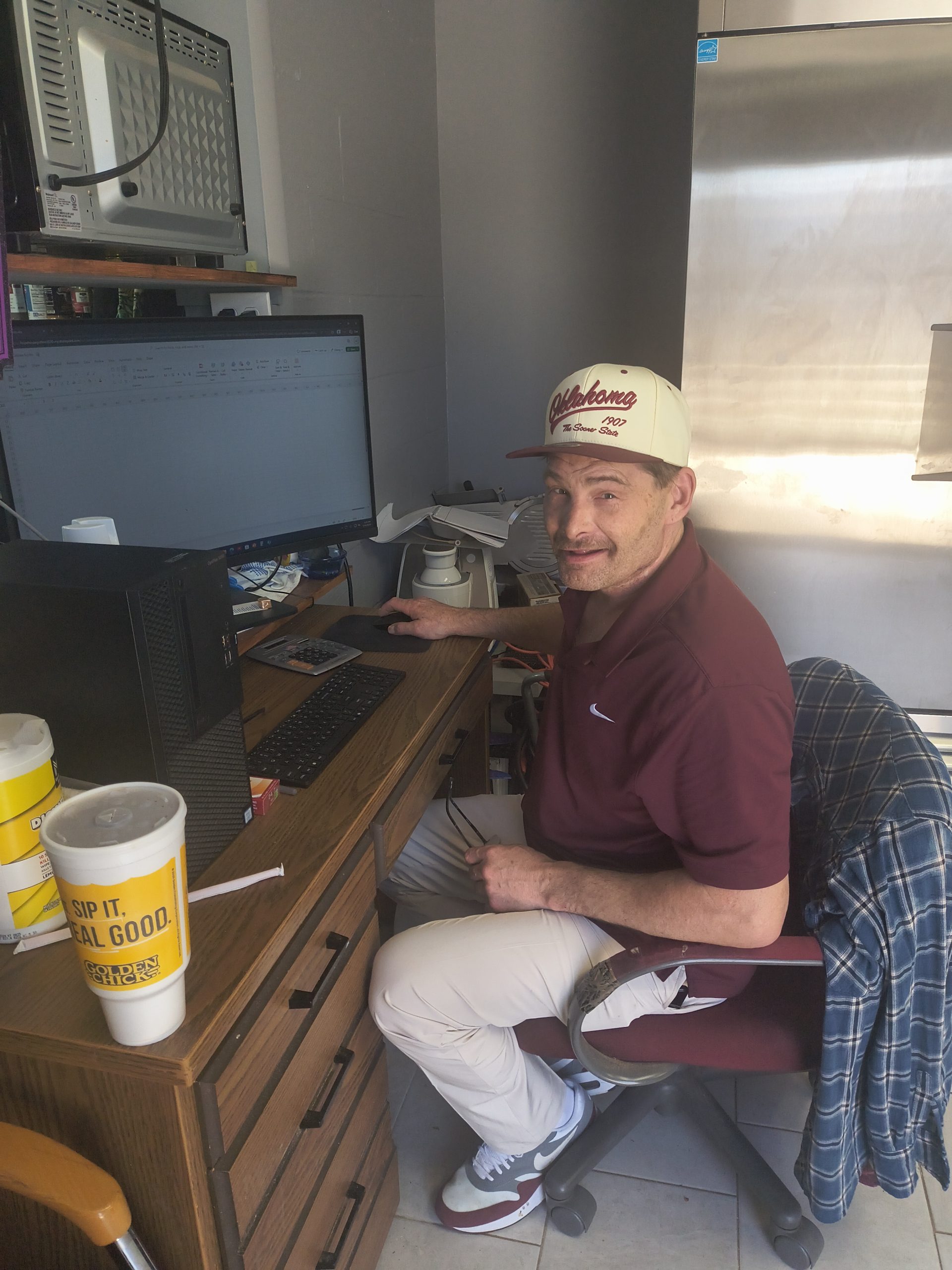
Access to a computer has also allowed Kenny to take on additional responsibilities and prepare for opportunities beyond the program. He now uses the computer to complete workforce training modules, communicate professionally, and access recovery and healthcare resources online. Systems he once didn’t know become part of his daily routine. For Kenny, learning these skills has changed how he sees his future.
“The digital skills workshops gave me confidence to navigate systems that once felt overwhelming. Having reliable technology has strengthened my employment skills, increased my independence, and helped me grow both personally and professionally."
The workshops did more than introduce technical skills. They helped build confidence and a sense of purpose.
“It has boosted my confidence,” Kenny shared. “It feels good to be needed and have the skills.”
Building Systems for the Next Person
As Kenny prepares to complete the Life Transformation Program, he is focused not only on his own progress but also on what he can leave behind for others. He is developing digital files that will serve as a blueprint for future residents learning to run the kitchen. These include menu plans, inventory spreadsheets, and organized lists of food items used for community food boxes. “What I’m looking forward to,” Kenny explained, “is creating files with menus and a digital blueprint on how to run the kitchen.” For Kenny, learning to use a computer has become part of leaving the program better than he found it.
The Role of Digital Skills in Recovery Programs
Hope House staff say the digital skills workshops support the organization’s broader approach to life transformation. The program combines life skills education, workforce preparation, and hands-on responsibilities within the organization. Digital tools are increasingly part of that learning process. Staff say the program is built on lived experience and focuses on meeting people where they are, including individuals who may have never used a computer before. By combining computer access with real-world responsibilities, participants gain practical experience with technology that supports employment and long-term stability.
A Path Forward
1While the program is centered in Arkansas, Louisiana, and Mississippi, select partner organizations in neighboring states are also participating as the work expands.
About Digitunity
Digitunity is a national nonprofit organization making computer ownership possible for everyone. For more than 40 years, Digitunity has worked to close the digital divide in the United States by shaping and strengthening systems that make computer ownership possible. Digitunity sources and places computers with a network of over 1,600 community-based organizations, supports digital skills programs, and provides strategic advisory services to states and cities. With 1 in 7 U.S. households lacking a computer at home, this national-local approach mobilizes resources, influences policy, and builds durable solutions that expand opportunity, participation, and economic mobility. Learn more at digitunity.org.
About Philanthropy at AT&T
At AT&T, our corporate responsibility work is dedicated to bridging the digital divide across the country. We are committed to providing people of all ages and from every community with the essential resources they need to thrive in the digital era. For generations, we have supported programs that impact millions of individuals nationwide, and since 2021, we have committed $5 billion to initiatives that enhance connectivity, promote digital literacy, and improve access to high-speed internet. Our efforts particularly focus on uplifting underserved communities, including students, older adults, and un- or underemployed individuals, ensuring everyone can participate in the digital world and benefit from its opportunities.