Through the 3 Southern States Connected Communities program, Digitunity, in collaboration with AT&T, has been working with Open Doors to Future Possibilities, an organization dedicated to supporting veterans and their families. We spoke with its founder and executive director, Dr. Simone Lundquist, about the challenges veterans face in using technology and how computer ownership, digital skills training, and trusted community partnerships can help them connect with essential services, pursue employment, and build greater independence.
1. What drew you to this work, and what does your being the Founder and Executive Director at Open Doors to Future Possibilities involve?
As a young adult, I traveled extensively and spent years studying human behavior in different environments. I was deeply interested in literature, philosophy, psychology, and spirituality, but no matter where I was, I kept returning to the same question: how people carry pain, and how they find a way forward after trauma.
The time I spent in combat zones volunteering with the United Nations, Red Cross, and Red Crescent, together with more than 30 years in community mental health, gave me a very close view of both trauma and human resilience.
What troubled me was how often I saw people moving through the same revolving door of diagnosis, medication, short-term treatment, and then back again. The suffering was real, but too often we were placing bandaids on much deeper wounds rather than helping people create lasting change.
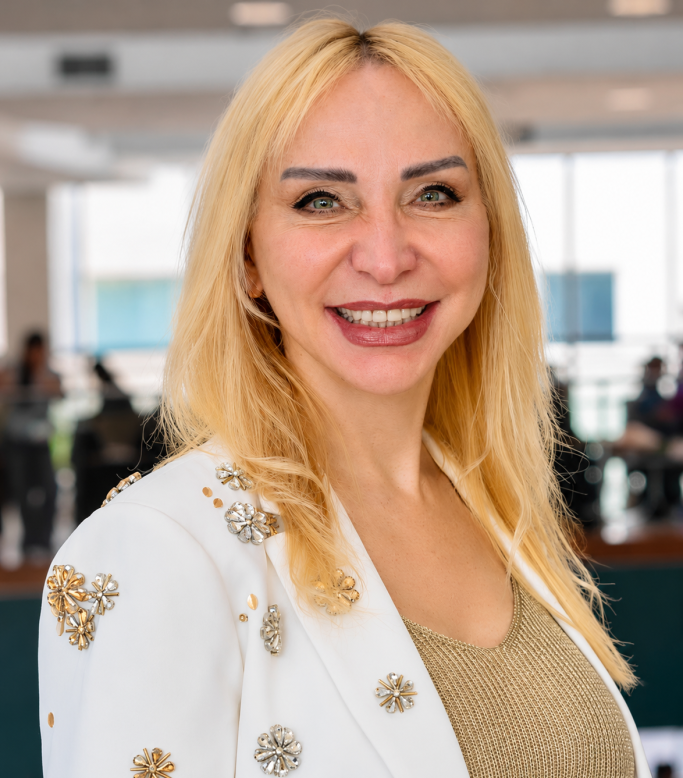
Dr. Simone Lundquist
Open Doors to Future Possibilities grew from my belief that when people can change their story from one of trauma and suffering, to one of strength and resilience, something starts to change. They reconnect with their own sense of agency, with the belief that they still have choices, and that their future is not limited by what has happened to them. From there, they begin to approach life differently. They start to imagine more for themselves, and little by little, they dare to dream bigger.
I founded Open Doors as a place where Veterans can process what they have been through, rebuild stability, and reconnect with life again. Since January of 2019, we have helped over 10,000 Veterans and their families to heal from past trauma and live happier lives by providing holistic services, including individual counseling, roundtable discussions, community events, physical fitness classes, financial and digital literacy, and career readiness workshops.
As Founder and Executive Director, I chart the path forward, keeping the staff and organization accountable to the mission as we expand into new branches around the Bay Area and, eventually, across the country. I oversee the development of our programs, partnerships, and community relationships that allow us to reach more people and help empower them to overcome challenges and live passionately and enthusiastically.
2. From what you see in the communities you serve, what does the digital divide look like in California? Who is most affected, geographically or otherwise?
We see some of the greatest challenges among older Veterans, who are now required to use technology to apply for, access, and navigate their basic healthcare and benefits through an already complicated VA system. While these digital advancements are intended to make services more convenient and accessible, they have inadvertently created multiple barriers for those who lack the digital skills or reliable technology needed to navigate them. Because these obstacles are often imperceptible to those who are familiar with technology or have ready access to it, institutions frequently fail to recognize the gap. Consequently, many Veterans do not access the services and benefits they have earned, and feel unappreciated for their sacrifices, leading to them feeling more isolated and powerless. This disparity is further exacerbated for low-income and unhoused Veterans, who, despite being in greatest need of support, face significant barriers in access as a result of the isolation, stigma, and economic hardship they face on a daily basis.
3. What does it take behind the scenes to successfully connect people with computers, digital skills training, and other resources? What partnerships have been especially important to making that work? Specifically, how has collaboration with Digitunity and AT&T benefited your communities?
On the most basic level, to ensure the long-term success of our digital literacy programs, we must provide reliable computers that our community members need to work online, access resources, search for employment, and remain connected in a world that increasingly requires at least an understanding of technology.
Additionally, we need to be able to build strong community partnerships that help us identify where the greatest needs exist and connect to those who most need our programs and might not otherwise find them. Success in building trust with our community relies on clear communication and responsiveness—qualities Digitunity and AT&T bring to this work. Their reliable support enables us to consistently deliver on our commitments to Veterans and local communities.
The quality of our partnerships show up in the successes of the people we serve. Veterans who never once imagined themselves using a computer—much less owning one—are now learning how to work online, access resources, search for employment, and remain connected in a world that increasingly requires digital participation.
4. How do access to computers, digital skills, and trusted local support change what is possible for people?
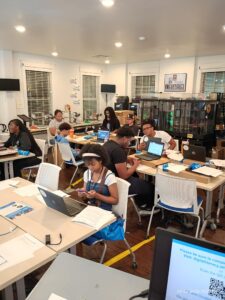
Over the years, working with thousands of Veterans and community members has given our organization firsthand insight into effective ways to help our clients overcome challenges. We have found that one of the most harmful things for our clients is feeling isolated and like they are incapable of keeping up with the demands or expectations of the world. Our digital literacy classes directly combat these problems. Beyond teaching practical skills, like navigating job listings, accessing online resources, and reconnecting with loved ones, these classes bring Veterans out of isolation and into a welcoming community of their peers and the Open Doors staff who are invested in their success. Learning to navigate technology restores their confidence, moving them out of feeling inadequate and increasing their agency. Additionally, the skills they’ve learned help them connect to broader online resources and serve as a gateway to Open Doors’ holistic services, including counseling, employment support, and community events.
5. Digitunity’s approach centers on building a stronger system for expanding computer ownership. How does that connect with what Open Doors to Future Possibilities is working to accomplish in California, and what is still needed to reach more people? How can we make computer ownership more sustainable in the long-term?
Our mission at Open Doors is to help people increase their sense of agency, recognize their own capabilities, and take action to overcome the challenges they are faced with.
When someone owns a computer, they are no longer limited to the hours of a workshop or the availability of someone else. They can put what they have learned into practice, make mistakes, discover solutions, and gradually develop the confidence to explore new possibilities on their own. This in turn makes them start to believe they can accomplish other things as well.
Placing a computer in someone’s hands is an essential step. However, if we want to create lasting change, we must also make sure they have the education, reliable connectivity, and ongoing technical support needed to use that computer effectively. Creating sustainability means building relationships between those institutions, refurbishers, funders, and community organizations so that people receive quality education and support in tandem with their new devices.
Our ultimate goal is to help clients recognize their capabilities and reshape the stories they tell themselves—moving from a place of fear and uncertainty to one of curiosity, confidence, and enthusiasm. When organizations like Digitunity, AT&T, and Open Doors work together to address challenges from multiple angles, we help make this transformation possible, empowering individuals to rediscover their potential and believe in what they can achieve.
6. Can you share a story or example that shows why this work matters, a moment where you saw digital skills and computer access change what was possible for someone or a community?
Carlos, a Marine Veteran with decades of experience as a welder, faced an unexpected job loss, when, despite his knowledge and expertise in the field, he hadn’t developed the digital skills that were demanded by his workplace, and they chose to let him go.
Disheartened and unsure about what his next step would be, Carlos learned about Open Doors’ digital literacy program at a local resource fair. Recognizing that he needed to develop the digital skills that had become so integrated into today’s workforce, he decided to embrace an unfamiliar challenge and take the first step toward rebuilding his future.
With the support of Digitunity and AT&T, we provided Carlos with the computer and instruction he needed to kickstart his journey. He started with learning to use a trackpad and navigate the internet, then gradually developed into the ability to use Google Workspace, create a digital résumé, and independently search and apply for employment.
Soon after graduating, Carlos got a job as an assistant welding instructor at a local community college. Before taking the digital literacy classes, he feared his lack of computer skills would keep him out of the workforce permanently. Today, using the tech skills he learned, Carlos shares decades of trade knowledge and hard-earned wisdom with the next generation.
Carlos’s story–and many others like his–is made possible through our collaboration with Digitunity and AT&T, whose support provides the technology for our courses. This impact goes beyond just teaching computer skills, as Veterans are empowered to become more confident, feel connected, and recognize their own capabilities once more, opening up more opportunities for the future and equipping them to handle whatever challenges come next.