Digitunity is proud to announce a new collaboration with AT&T, which will connect more than 13,000 people across rural Arkansas, Louisiana, and Mississippi with the tools they need to fully participate in today’s digital world.
Through $725,000 in support from AT&T, this 12-month initiative will strengthen community-based organizations by equipping them with resources to expand computer ownership, digital skills training, and affordable internet access.
Why This Matters
Nearly 1 in 4 households in these three states do not have a desktop or laptop computer at home, according to the U.S. Census. Many rely solely on smartphones to complete critical tasks such as applying for jobs, accessing healthcare, or supporting children’s education.
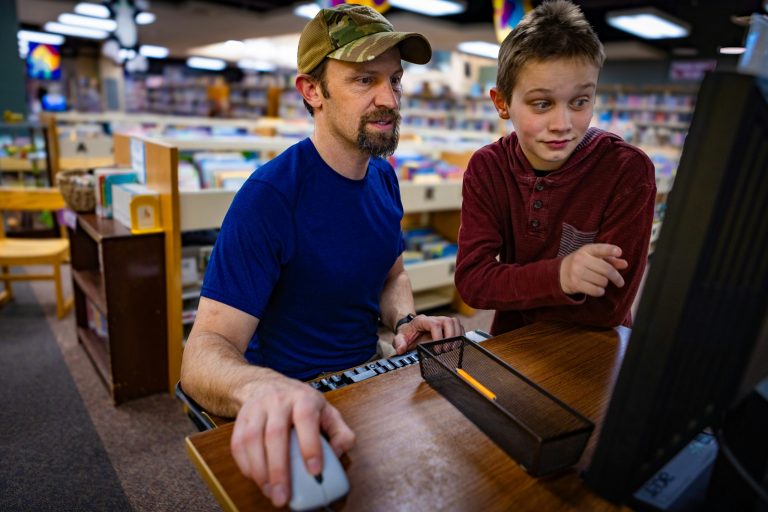
Digitunity’s work is rooted in a simple truth: smartphones are not enough. Everyone who needs a computer should have the opportunity to own one, and no one should be left behind. This initiative reflects that vision, while also reinforcing the vital role of “digital navigators”-trusted individuals who bridge the gap in helping community members find the right mix of devices, skills, and connectivity.
What the Project Will Do
Over the next year, the Digitunity and AT&T partnership will:
- Provide training for 200 digital navigators, giving them resource kits to help residents secure computers, develop digital skills, and access affordable internet.
- Distribute 2,500 donated and refurbished computers through Digitunity’s national network of technology reuse partners.
- Deliver digital literacy training for 10,500 people, using AT&T’s ScreenReady tools and Public Library Association courses hosted by local nonprofits and community groups.
Building Durable Systems
Digital navigators play a crucial role in eliminating the digital divide. This project is designed to shape and strengthen the systems that enable computer ownership, while integrating siloed programs into a cohesive approach. Local catalysts, such as veterans’ services, healthcare providers, and adult education centers, will be activated to expand community reach and help establish sustainability.
This work is about shaping and strengthening the systems rural communities need for lasting digital opportunity, while also supporting individual success.
A Shared Commitment
This collaboration builds on AT&T’s broader $5 billion commitment to narrow the digital divide by 2030.
The impact of this work will be measured not only in the thousands of people reached but also in more durable systems left behind, where residents, nonprofits, businesses, and institutions are aligned to expand opportunities that strengthen communities.
For over 40 years, Digitunity has worked to close the computer ownership gap by sourcing and placing devices through a network of more than 1,600 community-based organizations. With AT&T’s support, this initiative represents a significant step toward our shared vision where everyone who needs a computer has one.
“At AT&T, we believe that access to technology and digital skills is essential for unlocking opportunity in every community. By collaborating with Digitunity, we’re helping to equip thousands of people in rural areas with the tools and training they need to participate fully in today’s digital world.”
- Mylayna Albright, Assistant Vice President of Corporate Responsibility at AT&T Tweet