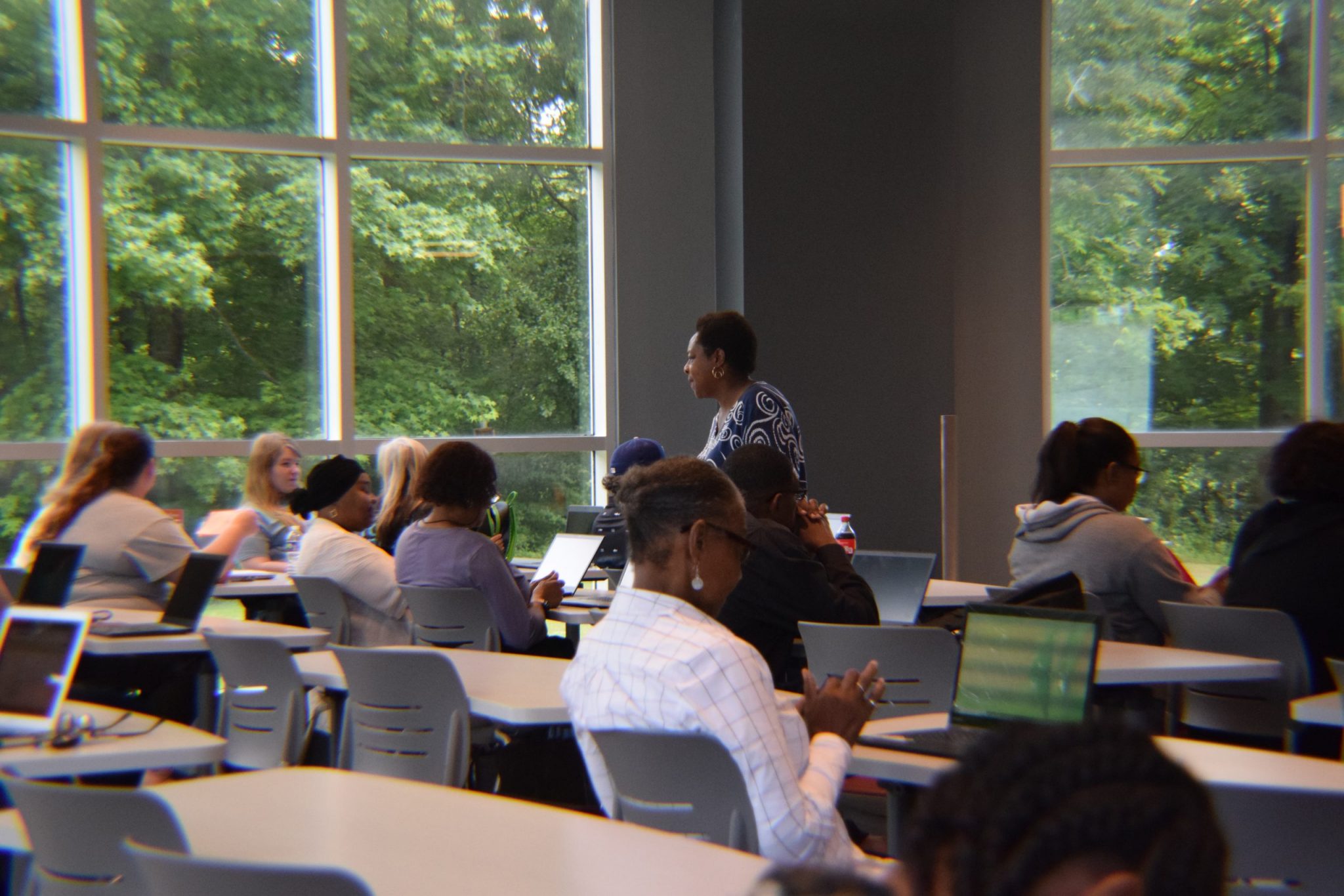
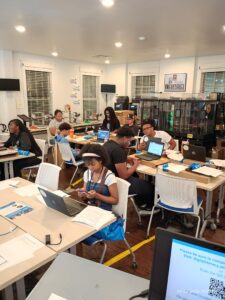
Michael Walker, Vice President of External Affairs at AT&T Mississippi, is at the forefront of tackling the digital access challenges faced by rural communities. Collaborating with Digitunity and the Mississippi Broadband Association (MSBA), Walker has explored the unique barriers these communities encounter—from limited device access to connectivity challenges—and the strategies that can make a real impact. Drawing on recent focus groups conducted across Mississippi, he shares valuable insights into the urgency of addressing access to digital opportunities and the collaborative efforts needed to provide underserved areas with the tools, training, and technology for meaningful change.
The focus groups revealed compelling data points that underline the urgency of this work:
- 70% of participants only use their phones for online tasks, restricting their ability to fully participate in education and employment.
- The participants stressed the importance of computer ownership for workforce relevance, family support, and daily needs.
- While the library serves as a valuable community resource for online access, limited hours and transportation challenges make it difficult for many community members to utilize it.
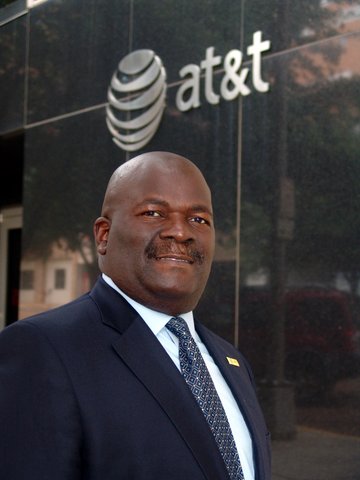
Interview with Michael Walker
You’ve been involved in focus groups and community initiatives across Mississippi, such as those with the Mississippi Broadband Association (MSBA). From your experience, how do you scale the insights from these smaller focus groups to address the needs of the broader community?
Michael Walker:
It’s critical to gather feedback from the people who will ultimately use the technology. Even if we hear from only 50 individuals out of 10,000, those voices reflect real, often overlooked community issues. Focus groups might represent a small slice of a larger population, but they often amplify perspectives that would otherwise remain unheard.
The urgency and passion expressed by participants—people who truly understand how transformative digital access can be—help us align our initiatives with the community’s actual needs. This ensures we’re not just rolling out broadband solutions without context. Whether it’s wireless technology, fiber connectivity, or something else, the key is to listen and provide solutions that genuinely work for the people we aim to serve. If our approach doesn’t meet their needs, they won’t use it. It’s as simple as that.
What role do devices play in digital equity, and how does AT&T ensure that people not only have broadband access but also the necessary devices to use it?
Michael Walker:
Devices are a critical part of the puzzle. What good is broadband if you don’t have a way to connect to it? That’s why AT&T partners with organizations like Digitunity to distribute devices. It’s a step-by-step process: first ensuring devices are available, then making broadband accessible, and finally supporting users so they can fully leverage high-speed internet.
I remember a workshop we held in Warren County, Mississippi. Afterward, a parent approached me, saying the combination of a new computer and broadband access had changed her family’s trajectory. For the first time, she could look for a job, pursue further education, and still be there for her kids. Moments like that remind me why addressing both broadband and device gaps is essential. The real impact comes when people have access to both the internet and the tools to use it effectively.
What are the most significant barriers, and which of these can be most easily addressed right now?
Michael Walker:
Education is the most significant barrier—helping people understand what broadband and devices can do for them. Access can mean many things: having a device, getting online, or being able to afford internet service. While affordable broadband plans are available, many people aren’t aware of these options. That’s why education and awareness campaigns are crucial.
Focus groups and community meetings give us a deeper understanding of how to address these challenges in ways that align with local needs. Digital literacy programs, for example, empower people to make the most of the opportunities broadband can provide. By increasing awareness, adoption will naturally follow. These barriers aren’t just obstacles—they’re opportunities to transform lives.
What advice would you give to organizations or emerging leaders, especially in rural areas, looking to increase digital opportunities and their communities?
Michael Walker:
First, you need to have a genuine commitment to the people in your community. If your intentions aren’t authentic, people will see through them. Building trust takes time—it’s about consistently showing up, not just making a one-time appearance. At AT&T, we encourage our employees to serve their local communities by volunteering with school boards, fire departments, or other organizations. When you invest in what matters to the community, you build credibility and trust over time.
Making a meaningful impact requires patience. Real change often takes years, but staying committed to the greater good will create a lasting legacy. It’s also important to meet people where they are. You might have a vision, but the community might not be ready for it yet. Listen, engage, and work together to achieve shared goals. With trust, dedication, and collaboration, you can make a difference.
Digitunity is proud to collaborate with organizations like AT&T and the Mississippi Broadband Association to address rural communities’ unique challenges. Through initiatives that combine device distribution, broadband access, and digital skills training, we’re helping to close the digital divide and create opportunities for education, employment, and connection. Read more about our focus groups and ongoing efforts in rural communities as we work to increase computer ownership across the United States.