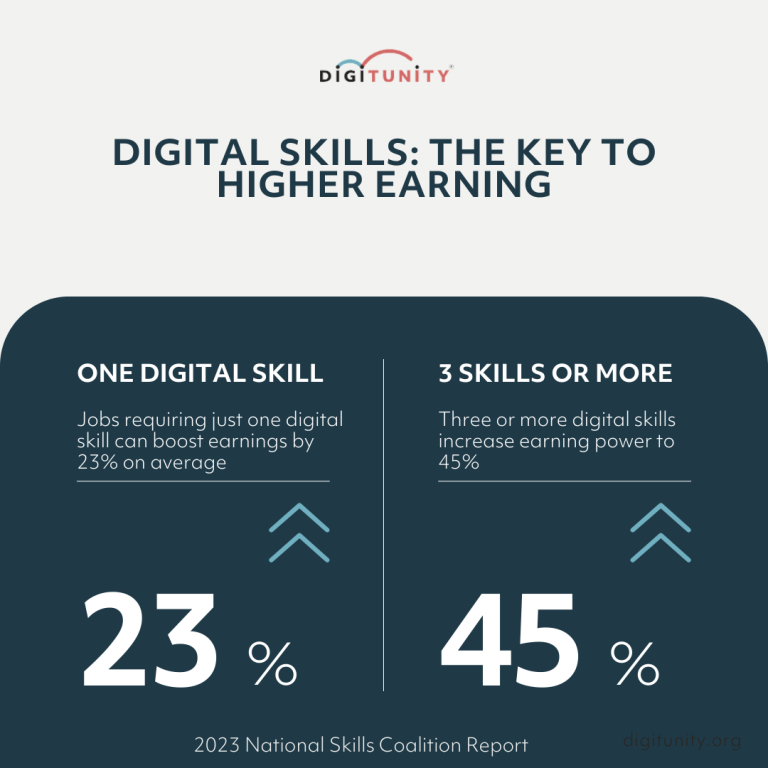
In today’s digital world, having a strong digital skill set is essential. According to a 2023 report from the National Skills Coalition, workers who qualify for jobs requiring even one digital skill can earn an average of 23 percent more than in a job requiring no digital skills. Moving from a job requiring no digital skills to one requiring at least three can increase pay by an average of 45%. From education and employment to healthcare and finances, nearly every opportunity relies on the ability to navigate technology. Yet, millions of people across the U.S. lack the necessary devices and the skills to use them effectively. Organizations like Hope House in Oklahoma and RIRAL in Rhode Island are stepping up with innovative, community-driven solutions that bridge the digital divide.
Digitunity, as a field catalyst in the digital inclusion space, has partnered with 57 local organizations across 22 states through the Connected Learning Program, funded by AT&T. Through interviews with community leaders, we’ve uncovered eight key strategies that are driving real, sustainable impact. These insights demonstrate how a community-based approach can foster long-term digital inclusion and serve as a model for broader ecosystem change.
1. Peer Mentorship Creates Sustainable Learning Cycles
At Hope House, a unique mentoring model allows former learners to become mentors, creating a cycle of growth and leadership. Brent, a program participant, transitioned from learner to IT facilitator, helping others build confidence in using technology. This approach ensures that knowledge is continuously passed down, strengthening digital resilience in the community.
2. Immediate, Practical Learning Drives Engagement
Hope House embraces a “just-in-time” learning model, where digital skills training is directly tied to immediate needs. Whether setting up an email account for job applications or learning how to navigate online health services, participants gain practical skills they can use right away, increasing retention and confidence.
3. Sustained Access to Technology Is Critical
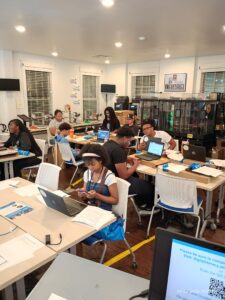
Digital skills training is only effective if learners have continued access to devices and the internet. Hope House provides a dedicated computer lab for ongoing training, ensuring that learners can practice and reinforce their skills over time.
4. Customized Learning Models Support Diverse Needs
RIRAL in Rhode Island serves a broad demographic, from high school students in alternative education programs to adult learners returning to school. By tailoring digital skills training to different experience levels, the community organization ensures that each learner receives the right support to develop confidence and competency in using technology.
5. Technology as a Workforce Development Tool
RIRAL integrates AI-powered tools to help non-native English speakers draft emails, complete assignments, and build professional communication skills. With an 866% year-on-year increase in demand for AI skills among employees, students, and job seekers, the need for AI fluency has never been more pressing. This real-world application of emerging technology ensures that learners are not just familiar with technology but are prepared to use it effectively in workplace and academic settings.
6. Project-Based Learning Enhances Digital Readiness
Rather than focusing solely on theoretical knowledge, RIRAL emphasizes hands-on, project-based learning. For example, one Haitian student who had never used a computer is now confidently attending hybrid math classes through Zoom. This kind of applied learning bridges the gap between theory and practice, making digital skills more tangible.
7. Expanding Access with Digital Learning Hubs
To create sustained impact, RIRAL is establishing a drop-in digital learning hub, providing year-round access to computers, training, and support. By embedding digital learning opportunities within the community, organizations can ensure that access remains consistent and long-term growth is possible.
8. Collaboration Scales Impact Across Communities
Both Hope House and RIRAL demonstrate that local organizations, when equipped with the right resources and networks, can drive scalable solutions. Through the Connected Learning Program, these organizations benefited from shared best practices, digital skills curricula, and ongoing collaboration, reinforcing that systemic change happens through collective effort.
A Blueprint for Digital Readiness
The successes of Hope House and RIRAL reinforce a fundamental truth: closing the digital divide requires more than just providing computers. It also demands a holistic ecosystem where digital skills training, mentorship, and sustained access to technology converge.
At Digitunity, we recognize that real progress occurs when organizations, funders, and policymakers work together to remove barriers and strengthen infrastructure. By leveraging insights from community-driven models, we can inform national strategies, shape best practices, and scale what works for a digital ready future in every community.
Digitunity is a national nonprofit organization with a mission to make owning a computer possible for everyone. Engaged in advancing digital equity for nearly forty years, Digitunity generates and places donated computers with organizations serving people in need, supports a national practitioner network, and advises states, cities, and coalitions on strategies to meet the ongoing device needs of people impacted by the digital divide.