In Louisiana, a non-profit technology refurbisher addresses an overlooked digital divide by giving computers a second life and a second home.
The computer ownership gap across Arkansas, Louisiana, and Mississippi is among the deepest in the nation. In these Southern states, 2024 American Community Survey data shows that 1 in 5 households or a total of 929,620 households, did not have access to a computer or relied solely on a smartphone for their internet connectivity.
- In Arkansas, 270,081 households did not have access to computers or 21.7% of all homes.
- In Louisiana, 390,451 households do not have computers or about 21.1% of all households.
- In Mississippi, 269,088 households are without computers or 22.8% of homes in the state.
As one of the few non-profit technology refurbishers in the tri-state of Arkansas, Louisiana, and Mississippi, the Capital Area Corporate Recycling Council (CACRC) works to address the technology access gap in the region. Since its founding 30 years ago, CACRC has refurbished thousands of computers, providing low-cost laptops to individuals who previously didn’t have access to a device. Computers come equipped with Microsoft Office and a one-year warranty. CACRC plays an important role as a regional infrastructure partner in the computer ownership ecosystem in Arkansas, Louisiana, and Mississippi.
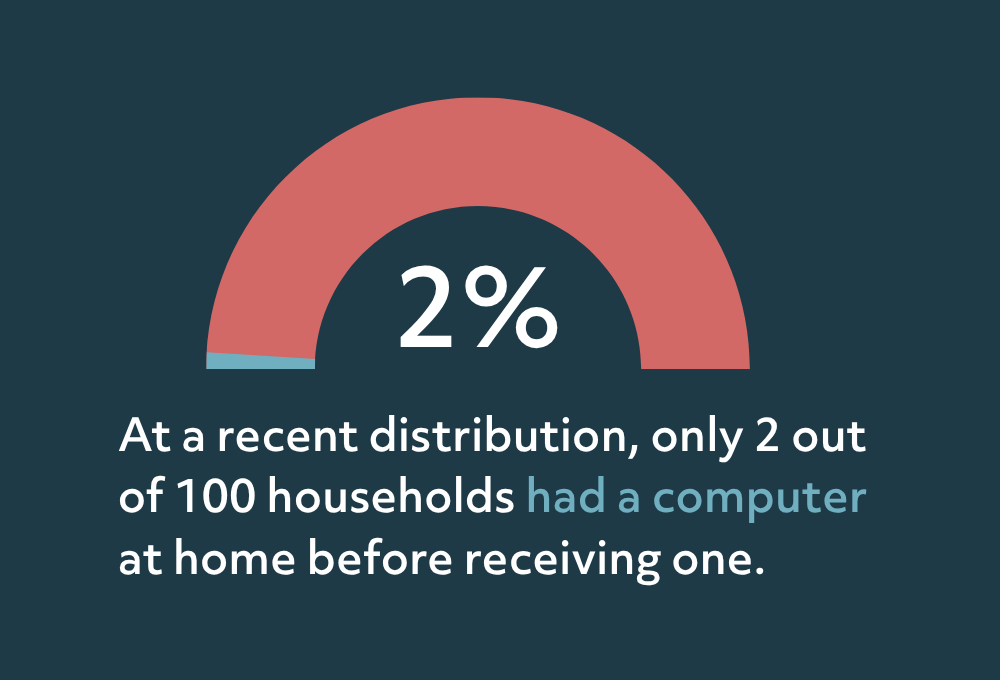
Digitunity interviewed Michael Rachal, who serves as the Executive Director of CACRC and is a key collaborator in AT&T and Digitunity’s 3 Southern States Connected Communities Program. CACRC is a leader in the digital opportunity space in Louisiana and is focused on maximizing the impact of electronic recycling and refurbishing by providing low-cost computers to community members and businesses who need them most. Michael says the digital divide in Louisiana is often overlooked, and during a recent computer giveaway to underserved families, he noted that only 2 of 100 households receiving donated computers had access to a device at home prior to the giveaway.
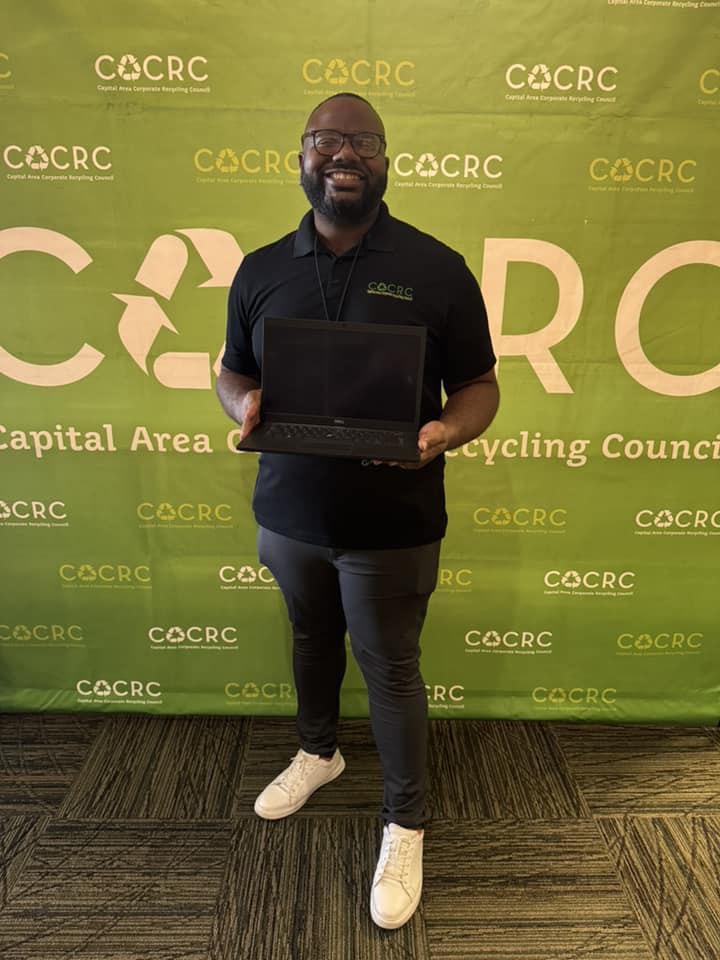
"I fell in love with what I did," says Rachal, who joined CACRC in 2021. "What sticks out to me the most is the impact we make and the families we serve".
Programs That Support Sustained Ownership
CACRC operates several key initiatives that help make computer ownership attainable and practical.
- Computers for Louisiana Families (CLF) is a program that offers low-cost refurbished desktops and laptops (averaging $100) to families, students, schools, social welfare organizations, and nonprofits. Low-cost computers are available for sale online or in the CACRC store. To make computers even more affordable, CACRC has begun offering afterpay options that allow customers to split their payments over several weeks.
- CACRC Believes is a project that provides free computers to nominated nonprofit organizations, small businesses, or educational programs in Louisiana.
The Lifecycle of Impact
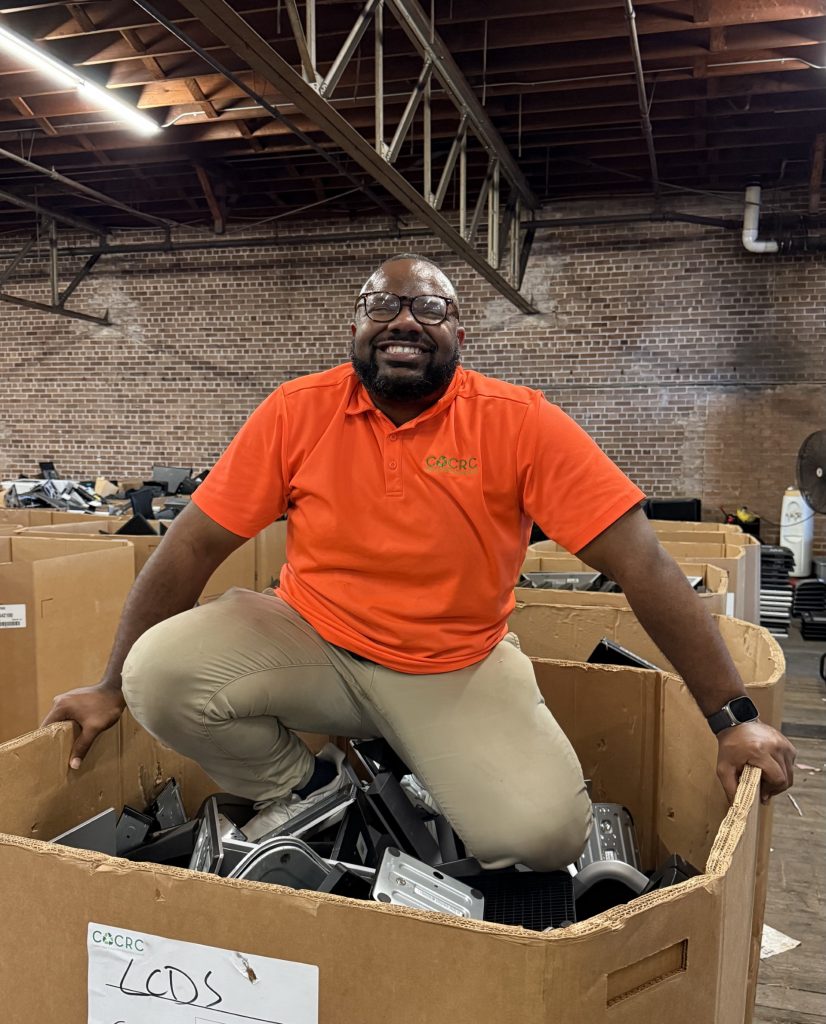
CACRC recycles 1.6 million pounds of electronics annually by either recycling end-of-life computers or refurbishing devices for resale. The journey of a donated computer includes:
- Data Security: Every device undergoes strict R2-certified data destruction using National Institute of Standards and Technology (NIST) approved methods and physical hard drive shredding, ensuring donor privacy is protected.
- Refurbishment: While less than half of received devices are reusable, those that meet technical standards are inspected, wiped, cleaned, and prepared for their new owners.
- Deployment with Support: Refurbished devices come with a Microsoft Office subscription, a one-year warranty, and technical support.
Scaling the Model Across the Region
The demand for affordable computers extends far beyond Louisiana. CACRC sees an immense need in rural Arkansas and Mississippi. Rachal emphasized that closing the divide requires a collective effort from donors—including schools, small and medium-sized businesses, and large corporations—who provide 90% of the refurbishable technology.
Why It Matters
A laptop is more than just a device. A computer is a gateway to economic and educational opportunities, providing access to essential services and government benefits. Computer ownership enhances digital skills acquisition and contributes to workforce development. A laptop enables parents to apply for jobs, students to complete their education, and rural residents with transportation barriers to access telehealth services. When CACRC provides technology to a single nonprofit, the impact reaches every person the organization serves. Rachal encourages potential donors to consider how often they rely on technology in their daily life, and what it would mean to go without it. For many families, that reality is not hypothetical but a daily challenge they must navigate in an increasingly digital world.
About the 3 Southern States Connected Community Program
Michael Rachal is the Executive Director of CACRC and a local partner in the 3 Southern States Connected Community Program. This program, a collaboration between AT&T and Digitunity, is designed to increase computer ownership and digital skills across Arkansas, Louisiana, and Mississippi. Through this project, CACRC will connect residents with refurbished computers, sourced through Digitunity’s national network. This work allows more people in our community to use technology for education, employment, health, and daily life.
About Digitunity
Digitunity is a national nonprofit organization making computer ownership possible for everyone. For more than 40 years, Digitunity has worked to close the digital divide in the United States by shaping and strengthening systems that make computer ownership possible. Digitunity sources and places computers with a network of over 1,600 community-based organizations, supports digital skills programs, and provides strategic advisory services to states and cities. With 1 in 7 U.S. households lacking a computer at home, this national-local approach mobilizes resources, influences policy, and builds durable solutions that expand opportunity, participation, and economic mobility. Learn more at digitunity.org.
About Philanthropy at AT&T
At AT&T, our corporate responsibility work is dedicated to bridging the digital divide across the country. We are committed to providing people of all ages and from every community with the essential resources they need to thrive in the digital era. For generations, we have supported programs that impact millions of individuals nationwide, and since 2021, we have committed $5 billion to initiatives that enhance connectivity, promote digital literacy, and improve access to high-speed internet. Our efforts particularly focus on uplifting underserved communities, including students, older adults, and un- or underemployed individuals, ensuring everyone can participate in the digital world and benefit from its opportunities.