Schools nationwide are embracing more technology-dependent teaching methods, but a significant digital divide persists, disproportionately affecting the most vulnerable. Approximately 1.4 million students experience homelessness or living instability – those living in shared housing, hotels, shelters, or even vehicles are starkly confronted by this digital divide known as the “homework gap.” This issue is a major obstacle to educational equity, leaving countless students at a disadvantage unable to keep pace with their peers due to a lack of access to computers and the internet.
During the 2022-23 academic year, a record-setting number of approximately 119,000 students were homeless in New York City, with 34% of these students spending time living in city shelters. In partnership with not-for-profit social service providers, New York City’s Department of Social Services (DSS) operates these shelters as places of refuge and centers of holistic support. By integrating comprehensive social services with a focus on academic stability, DSS’s collaboration is crucial to addressing the educational needs of sheltered students.
In 2022, Digitunity, in partnership with AT&T, identified New York City as one of ten cities in a project promoting the ownership of large screen devices to address the Homework Gap. New York City’s Mayor Eric Adams, DSS, and Digitunity have worked together over the past two years to help provide students with the tools they need to access education.
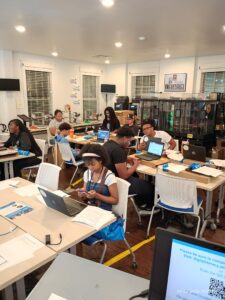
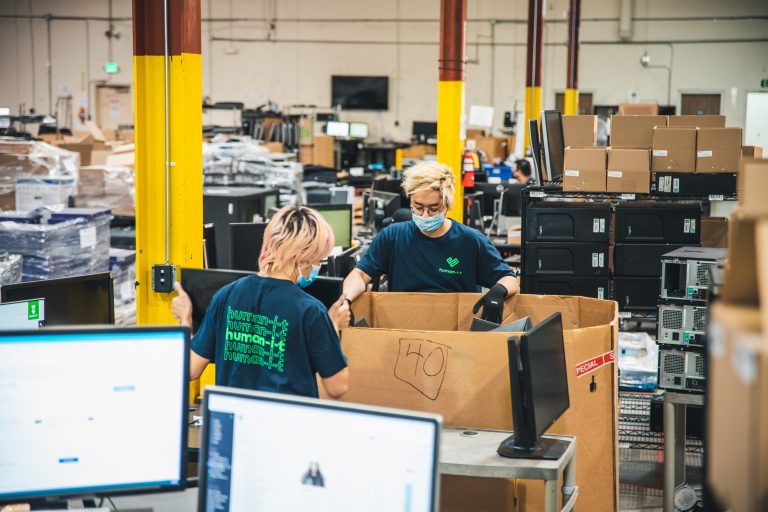
Digitunity partnered with two of its nonprofit technology refurbisher partners, Human-I-T and the Electronic Access Foundation, who provided fully functional large-screen devices equipped with the necessary software, digital skills resources, and technical support to ensure that students were equipped to use the technology effectively,
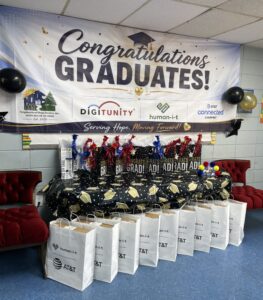
As of April 2024, 1,742 computers were distributed to 57 shelters across the city as part of the initiative. By deploying this significant system, the partnership demonstrates its scale and reach, directly reducing the digital divide among some of the city’s most vulnerable residents.
Beatriz Fritschler, Deputy Commissioner of DSSs, commented on the project's success, stating: “We are profoundly grateful to Digitunity and AT&T for their generous donation of 1,742 refurbished laptops. These laptops are transformative for our youth ages 12-17 in shelters, providing essential tools to complete school assignments and succeed academically. By bridging the digital divide, we empower these young individuals, fostering their potential and brightening their future. This partnership reflects our collective dedication to creating equal opportunities and supporting the educational aspirations of New York City’s most vulnerable children”