Mission-Driven Digital Inclusion Advocate Miye McCullough Joins Digitunity as Integrated Communications Manager

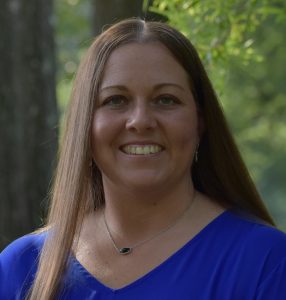
NORTH CONWAY, NH – December 20, 2023 – Digitunity, a national nonprofit working to make computer ownership possible for everyone, has named Miye McCullough as its new Integrated Communications Manager. In her role, McCullough will lead communications, marketing, social media, and publicity efforts and support Digitunity’s work in cultivating and sharing knowledge to advance the field. In this new role, McCullough will also play an integral role in advising states, cities, and coalitions on strategies to meet the technology needs of marginalized residents.Woman sitting on colorful sofa looking at camera

McCullough joins Digitunity as an experienced community builder and digital inclusion advocate. Most recently, she served as Director of Development & Operations at ExperienceFutures.org, a Responsible AI-focused nonprofit improving digital accessibility and inclusion. There, she collaborated with partners like the UN and AARP on advisory services and research around the digital divide.

McCullough previously managed operations, partnerships, and creative projects with nonprofits and organizations like the Turtle Conservancy, Patagonia, and MOCA (Museum of Contemporary Art). Across her work, she has focused on community building, website optimization, content curation, and cross-sector partnership cultivation—specializations she now brings to lead Digitunity’s multimedia outreach efforts.

“I believe that technology can be a catalyst for positive change, and I am deeply committed to making it accessible to everyone, regardless of their background or abilities,” says McCullough. “I’m excited to join the Digitunity team, where I can leverage my experience to contribute to the ever-changing landscape of digital transformation.”

“Having served previously at a peer organization working on another facet of digital inclusion, Miye brings a unique perspective to the Digitunity team,” says Scot Henley, Digitunity’s Executive Director. “She will broaden our thinking and help us be ever more effective in expanding device ownership among people impacted by the digital divide.”

An avid hiker and dedicated gardener, she divides her time between Pennsylvania and the Catskills in New York.
Other Recent Posts

Head-and-shoulders portrait of a smiling woman with long brown hair wearing a blue top and a necklace, photographed outdoors with trees and soft greenery in the background.

Computer Ownership & Skills Matter: A Conversation with a Digital Navigator in South Arkansas

Kelli Stephens In rural South Arkansas, smartphones are more common than computers. This difference shapes who can access education, healthcare, and economic opportunity. At the University of Arkansas at Monticello (UAM) Adult Education program, Digital Navigator Kelli Stephens sees this reality every day. As a former X-ray Technologist and Picture Archiving and Communication Systems Administrator she has seen firsthand how deeply healthcare relies on digital tools. Now, as a Digital Navigator with UAM’s Adult Education

Group of students and staff posing indoors in front of a UAM College of Technology–McGehee banner and table display, several holding bright green tote bags, with a green school mascot standing behind them.

UAM-CTM Launches Digital Literacy Program to Expand Computer Ownership in Southeast Arkansas

On January 21, the University of Arkansas at Monticello College of Technology–McGehee (UAM-CTM) and the UAM Adult Education Center officially launched the UAM Digital Literacy Program, a new initiative designed to expand computer access and strengthen digital skills for adult learners across southeast Arkansas. The program is part of the 3 Southern States Connected Communities Program, a regional effort led by Digitunity and AT&T to address persistent technology barriers in underserved and rural communities. Through

Person sitting at a laptop during a telehealth appointment with a masked healthcare worker on screen, while holding and filling out a health insurance form

32.9 Million People Can’t Access Critical US Government Services Due to Lack of a Computer

For the 1 in 10 people in the United States who don’t own a computer, accessing government services has become increasingly difficult. As services move increasingly online, residents without a computer and reliable internet service are locked out of essential systems. Tasks that were once handled in person now assume access to digital tools that many individuals simply do not have. Federal Policy Accelerates the Digital Shift Federal policy is accelerating this shift. The 21st

Translate »

The need for computers has never been greater.​ Sign up for our newsletter.