Melissa Patton Joins Digitunity as Communications Associate

Digitunity is pleased to welcome Melissa Patton as Communications Associate.

In this role, Melissa supports Digitunity’s external communications, digital platforms, and online presence, contributing to the systems and tools that help the team communicate clearly and consistently across channels. She works closely with colleagues across the organization on website updates, content publishing, accessibility improvements, and coordinating digital communications across platforms.

Melissa graduated from Elizabethtown College with a degree in computer science, with a concentration in web and application design and a minor in graphic design. She brings a strong interdisciplinary background in computer science, web and application design, and graphic design. She has experience across front-end development, visual design, and content structure, using a range of programming languages and design tools.

Her academic and project experience includes building and maintaining websites, developing data-driven applications, and collaborating on software projects designed to support real-world needs. She also brings a detail-oriented approach to testing, usability, and information organization, skills that support Digitunity’s commitment to accessible, well-structured digital communications.
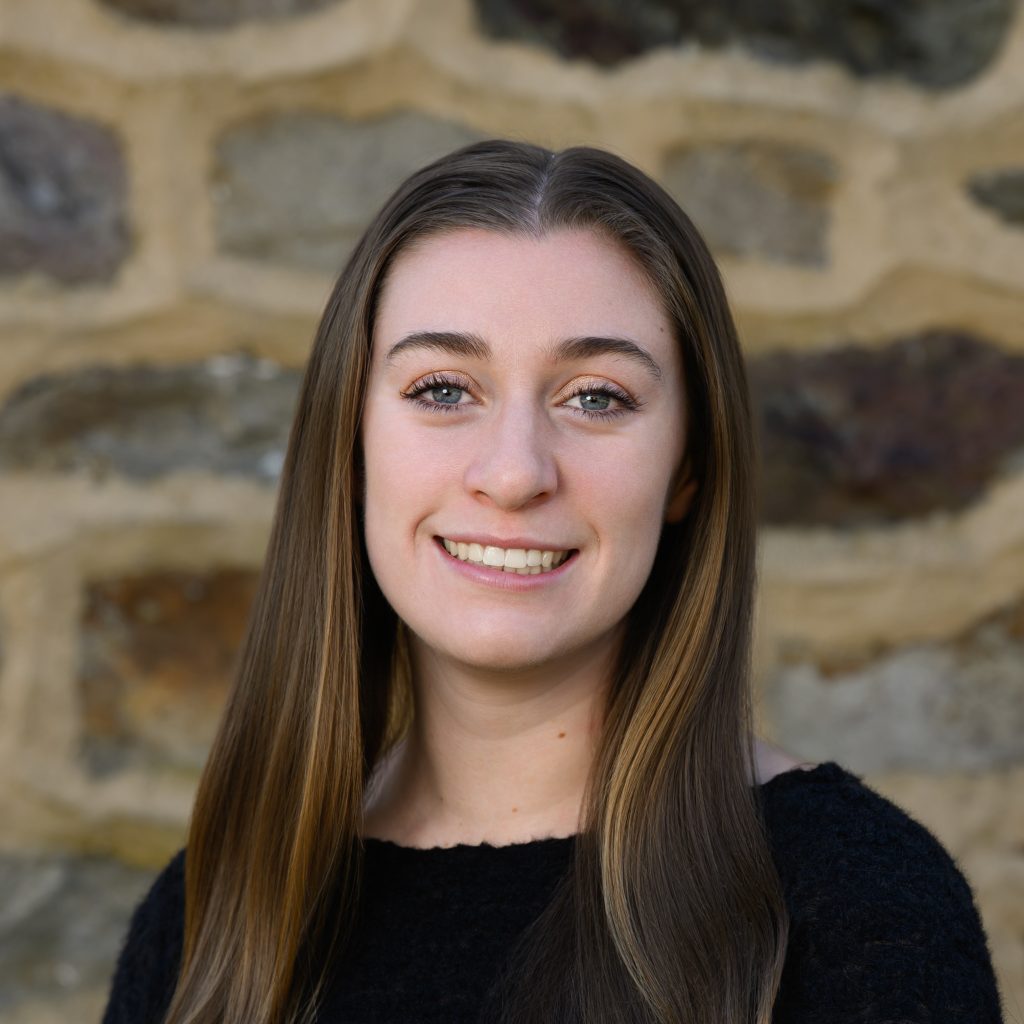
Head-and-shoulders portrait of a young woman with long brown hair, smiling at the camera, wearing a black top, standing in front of a stone wall background.

At Digitunity, Melissa contributes to day-to-day website and content operations, supports social media execution, helps organize and maintain digital assets, and assists with newsletters, reporting, and special communications projects. Her work supports Digitunity’s strategic communications by strengthening the digital systems and content that carry those messages into the field.
We’re so glad to welcome Melissa to the Digitunity team and look forward to the contributions she’ll make as our work continues towards universal computer ownership.
Other Recent Posts

Person sitting at a laptop during a telehealth appointment with a masked healthcare worker on screen, while holding and filling out a health insurance form

32.9 Million People Can’t Access Critical US Government Services Due to Lack of a Computer

For the 1 in 10 people in the United States who don’t own a computer, accessing government services has become increasingly difficult. As services move increasingly online, residents without a computer and reliable internet service are locked out of essential systems. Tasks that were once handled in person now assume access to digital tools that many individuals simply do not have. Federal Policy Accelerates the Digital Shift Federal policy is accelerating this shift. The 21st

The DigITunity logo features the word "DIGITUNITY" with stylized arcs connecting the letters "I" in black and red and a registered trademark symbol.

Digitunity Announces New Officers and Welcomes New Board Members

Effective January 2026, Digitunity is delighted to introduce new Officers to its Board of Directors. These leadership transitions reflect the Board’s unwavering dedication to building and strengthening the infrastructure needed to ensure computer ownership is possible for all. New Board Officers President Allison Strobel, Executive Director, Hoboken Public Education Vice President Steven Nickel, Google Treasurer Matt Zimmer, Close the Loop Thank You to Outgoing President Jeremy Hegle Digitunity extends deep gratitude to Jeremy Hegle of

An older woman speaks into a microphone while sitting with a walker in front of a screen displaying her photo and an award announcement.

From One Classroom to a National Movement: Dr. Yvette Marrin on Digitunity and Computer Ownership

“Hold fast to dreams, For if dreams die, Life is a broken winged bird that cannot fly.” — Langston Hughes For over four decades, Dr. Yvette Marrin has been at the forefront of a movement to make computer ownership possible for everyone. Her journey began with a powerful moment at a children’s rehabilitation center in 1981, when she witnessed how a simple switch could unlock a world of possibilities for a child with disabilities.In her

Translate »

The need for computers has never been greater.​ Sign up for our newsletter.