“Hold fast to dreams, For if dreams die, Life is a broken winged bird that cannot fly.” — Langston Hughes
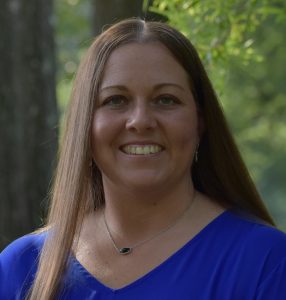
For over four decades, Dr. Yvette Marrin has been at the forefront of a movement to make computer ownership possible for everyone. Her journey began with a powerful moment at a children’s rehabilitation center in 1981, when she witnessed how a simple switch could unlock a world of possibilities for a child with disabilities.
In her 2020 blog post , Dr. Marrin describes these early breakthroughs and the founding of the National Cristina Foundation. What began as an effort to place used computers into classrooms quickly expanded to serve broader communities, opening doors to education, employment, and independence for countless individuals.
" When we started our work in 1984, we focused on locating previously used computers as an effective, low-cost solution to obtaining technology. That opened up new opportunities for people with disabilities. Soon after, we added people in need as recipients."
- Yvette Marrin, PhD
Today, as part of Digitunity, that vision continues. The challenges of digital opportunity and inclusion remain urgent, but the solutions are evolving, powered by innovation, community, and the belief that no one should be denied access to the tools that allow us all to participate in the digital world.
In 2024, Dr. Marrin received the WIN Award from Women in Innovation (WIN), recognizing her decades of leadership in advancing computer ownership and digital opportunity. The honor reflects not only her early pioneering work in computer reuse and donation, but also the lasting influence of her vision on today’s conversations about access, dignity, and participation in a digital world.
Watch the Full Interview
In this special video interview, Dr. Yvette Marrin reflects on her journey, from her early work as an educator to the pioneering computer donation programs that helped launch a national movement. She shares insights about building a system of support for people with disabilities, the importance of collaboration, and why computer ownership is foundational to opportunity in the 21st century.
Watch: A Journey Toward Systems Change – Interview with Dr. Yvette Marrin, co-founder of Digitunity
Key topics:
- The origins of computer reuse and donation
- How a small idea grew into a national movement
- Stories of impact and innovation
- Why computer ownership matters now more than ever
Learn More
1 in 7 households in the United States is without a large-screen computer.
Without one, it’s nearly impossible to apply for a job, attend school, manage healthcare, or access critical services online.
To read more about the issues surrounding computer ownership and digital opportunity, visit our explainer page.
To learn how Digitunity is working to close this gap, explore our programs and impact.